
Mountain biking is all about adventure, but every great ride depends on a bike that works perfectly. One of the most important parts for smooth, safe rides is your bike’s suspension system. These components absorb shocks from rough trails, helping you stay in control and comfortable. But like any mechanical part, suspension needs regular care. If you ignore it, you risk poor performance, expensive repairs, or even dangerous failures.
Many riders ask, “How often should I service my mountain bike suspension? ” The answer isn’t simple. It depends on your riding style, terrain, weather, and the specific suspension components you have. This guide explains everything you need to know, from recommended service intervals to signs your suspension needs attention.
You’ll also learn how servicing impacts performance and what mistakes to avoid. Whether you’re a beginner or seasoned rider, you’ll find practical advice that keeps your bike running smoothly.
Why Mountain Bike Suspension Needs Regular Servicing
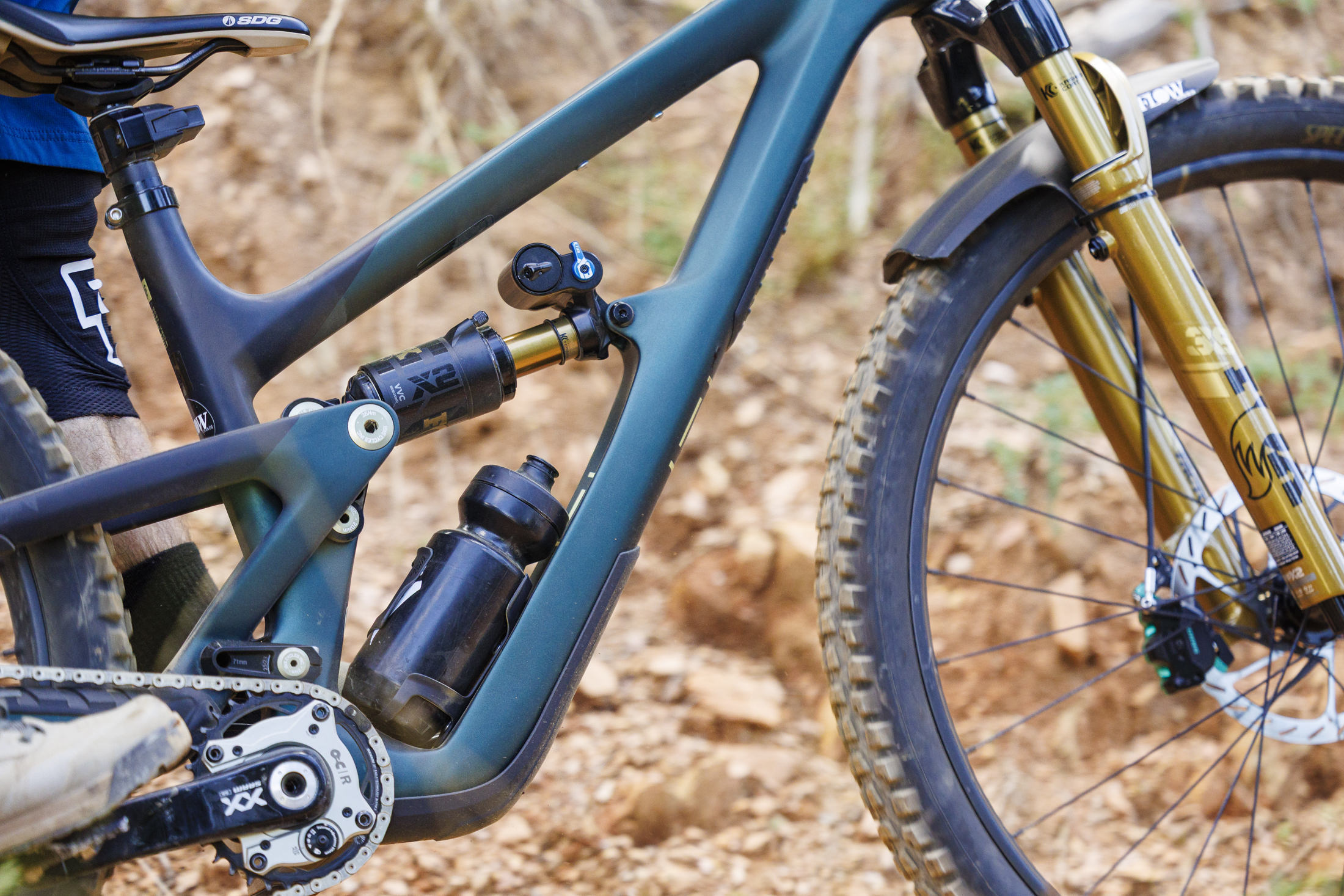
The suspension system on a mountain bike consists of the fork and the rear shock. These parts use oil, seals, and moving parts to absorb impacts. Over time, dirt, mud, water, and dust get inside. Oil breaks down, seals wear out, and moving parts lose their smoothness. This can cause:
- Reduced performance (less smooth, less control)
- Increased wear on expensive parts
- Risk of failure (fork or shock stops working)
- Safety hazards (unexpected loss of control)
Regular servicing removes dirt, replaces worn parts, and refreshes oil. This keeps the suspension working as it should. Riders often overlook maintenance, thinking suspension is “set and forget. ” But even the best equipment needs care, especially if you want it to last.
Suspension Service Vs. Suspension Repair
Servicing means routine maintenance—cleaning, changing oil, replacing seals—before anything breaks. Repairing means fixing a problem after it appears. Regular servicing costs less, prevents big issues, and keeps your bike reliable. Waiting until something breaks can lead to expensive repairs and missed rides.
Recommended Service Intervals For Mountain Bike Suspension
How often you should service your mountain bike suspension depends on several factors. Manufacturers give guidelines, but these are just starting points. Actual intervals change based on your riding habits and conditions.
Fork And Rear Shock: Basic Service Interval
Most brands recommend:
- Fork Lower Leg Service: Every 50 hours of riding or every 6 months (whichever comes first)
- Rear Shock Air Can Service: Every 50 hours of riding or every 6 months
This means you should clean and refresh the oil in the fork lowers and shock air can at least twice a year, even if you don’t ride much. If you ride often or in muddy conditions, you may need to do it more often.
Full Suspension Service
Every 100–200 hours, or at least once a year, you should do a full service:
- Fork damper and air spring: Replace oil, seals, and inspect internals
- Rear shock damper: Replace oil, seals, and inspect internals
Full service is more complex and often best done by a professional. It keeps the suspension working like new.
Manufacturer Recommendations
Let’s compare service intervals from popular brands:
| Brand | Fork Lower Service | Fork Full Service | Rear Shock Air Can | Rear Shock Full Service |
|---|---|---|---|---|
| Fox | 50 hours / 6 months | 125 hours / yearly | 50 hours / 6 months | 100 hours / yearly |
| RockShox | 50 hours / 6 months | 200 hours / yearly | 50 hours / 6 months | 200 hours / yearly |
| Manitou | 50 hours | 100 hours | 50 hours | 100 hours |
Always check your specific suspension’s manual, as intervals vary by model and year.
Factors That Change Service Frequency
Not every rider needs the same schedule. Consider these:
- Riding Conditions: Mud, dust, and rain speed up wear. Wet, muddy trails require more frequent service.
- Riding Style: Aggressive riders or those who jump often stress suspension more.
- Mileage: More hours mean more wear.
- Bike Storage: Bikes stored outside or in humid places need more care.
If you race, ride in extreme weather, or hit the trails almost daily, double the recommended intervals.
Signs Your Mountain Bike Suspension Needs Servicing
Waiting for a set schedule isn’t always enough. Sometimes, your bike tells you it needs attention. Look for these signs:
- Loss of smoothness: Suspension feels rough or sticky.
- Unusual noises: Clicking, squelching, or scraping sounds.
- Oil leaks: Visible oil around fork seals or shock.
- Reduced travel: Suspension doesn’t compress as far.
- Loss of damping: Bike feels bouncy or uncontrolled.
- Dirty stanchions: Dirt sticks to fork/shock stanchions, showing seal failure.
Ignoring these signs can lead to bigger problems. If you notice any, service your suspension right away.
What Happens During Suspension Servicing
Servicing isn’t just a quick clean. It involves several steps to make sure the suspension is safe and performs well.
Fork Lower Leg Service
This is the most common and easiest service. Steps include:
- Remove the fork lowers.
- Clean inside the lowers and stanchions.
- Replace foam rings and dust seals if needed.
- Add fresh suspension oil.
- Reassemble and check for leaks.
Rear Shock Air Can Service
Steps for basic shock service:
- Remove the air can.
- Clean and inspect seals.
- Replace worn or damaged seals.
- Lubricate with proper grease.
- Reassemble and check air pressure.
Full Suspension Service
Full service involves:
- Disassembly of fork and shock internals.
- Complete oil change (damper and air spring).
- Replacement of all seals and bushings.
- Inspection of wear parts.
- Reassembly and testing.
This is a job for experienced mechanics or shops. Specialized tools are needed, and mistakes can damage expensive parts.

Credit: takomabicycle.com
Diy Suspension Service Vs. Professional Service
Some riders do basic maintenance at home. Others prefer professional help. Here’s how they compare:
| Service Type | DIY | Professional |
|---|---|---|
| Fork Lower Service | Possible for most riders | Fast, guaranteed, expert |
| Rear Shock Air Can | Possible with care | Expert inspection, proper tools |
| Full Suspension Service | Difficult, needs special tools | Best choice for reliability |
DIY saves money, but you must follow instructions carefully and use correct tools. Professional service costs more, but technicians spot problems you might miss.
Average Service Costs
- Basic fork/shock service: $50–$80 per component
- Full service: $100–$200 per component
Prices vary by location and suspension model. Some high-end shops offer service packages.
How Suspension Service Impacts Performance
Servicing isn’t just about preventing failures. It also improves how your bike rides.
- Better control: Fresh oil and seals mean smooth movement, more grip, and safer handling.
- Longer lifespan: Regular care prevents wear, saving money over time.
- Consistent feel: Suspension stays predictable, making it easier to ride confidently.
- Higher resale value: Well-maintained bikes sell for more.
Neglect leads to stiff, sticky, or leaky suspension—ruining the ride and risking damage.
Performance Data
A study by BikeRadar found that bikes with regularly serviced suspension had 20% more consistent damping and 15% longer lifespan than neglected bikes. Riders reported fewer breakdowns and felt safer on technical terrain.
Common Suspension Service Mistakes
Many riders make errors during maintenance. Avoid these:
- Using wrong oil: Suspension oil is not the same as motor oil. Always use recommended oil.
- Skipping seal replacement: Old seals lead to leaks.
- Overfilling oil: Too much oil causes poor performance.
- Rushing the job: Take your time—clean thoroughly, inspect carefully.
- Forgetting air pressure: After servicing, check fork and shock air pressure matches your settings.
Even experienced riders can miss these steps. Read the manual, watch trusted videos, and double-check your work.
Practical Tips For Suspension Maintenance
You don’t need to be a pro to keep your suspension in good shape. Follow these tips:
- Clean after every ride: Wipe stanchions and seals with a soft cloth.
- Inspect regularly: Look for leaks, dirt, or sticking.
- Keep records: Note service dates and hours ridden.
- Use high-quality tools: Cheap tools can damage parts.
- Store indoors: Humidity and heat speed up wear.
These habits prevent problems and make servicing easier.
Non-obvious Insights
- Suspension setup changes over time. As parts wear, your settings may drift. After service, always check your sag, rebound, and compression.
- Bike wash routines matter. Pressure washing can force water past seals. Use a gentle hose and avoid direct spray on suspension.
Credit: flowmountainbike.com
When Should You Upgrade Or Replace Suspension Components?
Sometimes, servicing isn’t enough. If you notice these problems, consider replacing parts:
- Severe wear on stanchions: Deep scratches or loss of coating.
- Damaged damper internals: Irregular movement, leaking oil even after seal changes.
- Outdated technology: Old forks/shocks may lack modern features.
Replacing worn suspension improves safety and performance. New models offer better adjustability, weight savings, and reliability.
Suspension Service Calendar Example
For riders who want a simple routine, here’s a sample calendar:
| Time | Service Task | Notes |
|---|---|---|
| Every ride | Clean stanchions, check for leaks | Quick wipe, visual check |
| Monthly | Inspect seals, check air pressure | Adjust settings if needed |
| Every 6 months | Fork lower/air can service | Clean, replace oil, check seals |
| Yearly | Full fork/shock service | Pro shop recommended |
Adjust based on your riding style and local conditions.

Credit: www.singletracks.com
Suspension Service For Different Types Of Mountain Bikes
Not all mountain bikes are the same. Here’s how service intervals change:
Cross-country (xc) Bikes
- Lighter suspension, less travel
- Service less often unless riding in mud/dust
Trail/all-mountain Bikes
- More travel, more stress
- Stick to standard intervals
Downhill Bikes
- Heavy use, high stress
- Service more frequently—every 30–40 hours
E-mtbs
- Added weight stresses suspension
- Service slightly more often
Always check your bike’s manual for specific advice.
The Role Of Suspension Service In Safety
Keeping suspension fresh isn’t just for comfort. It’s also a matter of safety. Worn suspension can fail unexpectedly, causing loss of control. On steep or rocky trails, this can mean dangerous falls.
A well-serviced fork and shock:
- Absorb impacts so your tires stay on the ground
- Prevent sudden failures like lockout or oil loss
- Help brakes work better by keeping wheels planted
Neglecting service puts you and others at risk.
How Suspension Service Affects Bike Value
If you plan to sell your bike, regular suspension service is a big plus. Buyers look for:
- Service records showing care
- Smooth, leak-free suspension
- Updated seals and oil
A neglected suspension lowers value by hundreds of dollars. Well-maintained bikes sell faster and for more.
Suspension Service In Extreme Weather
Riding in rain, snow, mud, or sand speeds up suspension wear. Here’s how to cope:
- After wet rides: Clean stanchions and seals, dry thoroughly.
- After muddy rides: Wipe off mud, inspect for grit under seals.
- In sandy areas: Avoid letting sand stick to suspension—clean often.
Some riders use extra seal protectors or mudguards. These help, but don’t skip regular service.
Suspension Service Tools And Supplies
If you want to do your own maintenance, you need:
- Suspension-specific oil and grease
- Seal kits for your fork/shock model
- Clean rags, soft brushes
- Allen keys, torque wrench
- Air pump (for fork/shock pressure)
Never use substitutes for oil or seals. Suspension tolerances are tight—wrong parts can cause damage.
Finding Reliable Suspension Service Shops
If you prefer professional help, look for shops with:
- Certified mechanics (many have factory training)
- Good reviews, clear pricing
- Experience with your suspension brand
- Service records provided
A reputable shop can spot issues before they become problems. Some shops offer service packages for regular customers.
For official service guides, visit Fox Suspension Service.
Frequently Asked Questions
How Do I Know If My Suspension Needs Service Before The Recommended Interval?
Watch for oil leaks, loss of smoothness, or strange noises. If your fork or shock feels rough or sticky, service it right away. Visual checks after each ride help catch issues early.
Can I Do Basic Suspension Service At Home?
Yes, many riders do fork lower service and air can service at home with the right tools. Follow the manual, use correct oil and seals, and take your time. For full damper service, professional help is best.
What Happens If I Ignore Suspension Servicing?
Neglect leads to damaged seals, worn bushings, and internal corrosion. Performance drops, and repairs become expensive. In worst cases, suspension can fail and cause accidents.
Does Suspension Servicing Affect Warranty?
Yes. Many brands require regular servicing for warranty coverage. Keep records of service dates and receipts. If you skip maintenance, you risk voiding the warranty.
How Much Does Professional Suspension Service Cost?
Basic service costs $50–$80 per component. Full service ranges from $100–$200. Prices vary by shop, location, and component type. Regular service saves money by preventing big repairs.
A properly serviced mountain bike suspension makes every ride safer and more fun. It keeps your bike reliable, improves performance, and saves money in the long run. Whether you do maintenance at home or use a professional shop, stick to recommended intervals and pay attention to your bike’s signs.
Mountain biking is demanding, but with the right care, your suspension will keep you rolling over any trail.

Hello Guys! I am John Reese, a professional biker and my hobby is biking! I have been biking for last 12 years and I love using bikes while outing as well. Based on my experiences with the different type of bikes (mountain bikes, road bikes and hybrid bikes); I am sharing my opinion about various bikes so that a beginner can get started right away. Happy reading!