
Every rider knows that a mountain bike helmet is more than just gear—it’s your main protection on the trail. But how should a mountain bike helmet fit? The answer is not simple, but crucial. Many riders, especially beginners, make mistakes when choosing or wearing their helmet.
A poor fit can reduce protection, cause discomfort, or even lead to dangerous situations. This guide explains everything you need to know about mountain bike helmet fit, from basics to expert tips. Whether you ride rocky trails or smooth singletracks, getting your helmet fit right can make every ride safer and more enjoyable.
Why Helmet Fit Matters
A helmet is designed to protect your head in case of a fall or crash. But protection only works if the helmet fits perfectly. Too loose, and it can shift or fall off. Too tight, and it becomes uncomfortable, distracting you from your ride. A well-fitted helmet:
- Absorbs impact more effectively
- Stays in place during sudden movement
- Reduces risk of head injury
- Prevents pressure points and headaches
According to the Consumer Product Safety Commission (CPSC), helmets reduce the risk of head injury by 85%—but only when they fit correctly. Many injuries happen because the helmet was not worn or adjusted properly. For mountain biking, where terrain is unpredictable and falls are common, the right fit is even more important.
Key Elements Of Mountain Bike Helmet Fit
Head Shape And Helmet Design
Helmets come in different shapes because heads do too. Some people have round heads, others have oval heads. Most helmets are designed for a “universal” fit, but this doesn’t work for everyone. You need to choose a helmet that matches your head shape.
Common Head Shapes
- Round: The width and length are almost equal.
- Oval: The length is greater than the width.
- Intermediate: Somewhere between round and oval.
Try several helmets and notice how they sit on your head. A helmet that fits your head shape will:
- Touch evenly around your head
- Not create gaps or pressure spots
- Stay centered without tilting
Size: Getting The Right Measurement
Helmet sizes are usually given in centimeters (cm), measuring the circumference of your head. To get your size:
- Use a soft measuring tape.
- Wrap it around your head, about 1 inch (2.5 cm) above your eyebrows.
- Write down the measurement.
Most adult helmets cover these sizes:
- Small: 51–55 cm
- Medium: 55–59 cm
- Large: 59–63 cm
Check the helmet’s size chart before buying. If your size is between two options, choose the larger, then adjust using the retention system.
Retention System
Most mountain bike helmets have a retention system—usually a dial or adjustable straps at the back. This lets you fine-tune the fit. The system should:
- Feel snug but not tight
- Allow for small adjustments
- Keep the helmet stable during movement
The retention system is often overlooked, but it’s key for a secure fit. When adjusted properly, the helmet does not shift even when you shake your head.
Padding And Comfort
Inside the helmet, foam pads provide comfort and help adjust fit. Pads should:
- Touch all parts of your head evenly
- Not create pressure points
- Be removable for washing
Some helmets come with extra pads to customize fit. Try different thicknesses until you find the most comfortable setup.
Coverage: How Much Of Your Head Is Protected
Mountain bike helmets cover more of your head than road helmets. Most have extra coverage at the back and sides. When fitting, check:
- The helmet sits low on your forehead (about 1–2 finger widths above your eyebrows)
- The rear covers the base of your skull
- The sides protect the temples
If the helmet tilts back, it exposes your forehead. If it sits too high, it leaves your skull unprotected.
Step-by-step Guide To Fitting A Mountain Bike Helmet
Follow these steps to ensure your helmet fits perfectly:
- Measure Your Head: Use a tape to get the circumference.
- Choose the Right Size: Match your measurement to the helmet size chart.
- Try the Helmet: Place it on your head, adjust the retention system.
- Check Position: The helmet should sit level, not tilted.
- Adjust Straps:
- Side straps form a “V” just below your ears.
- Chin strap sits snug, allowing you to fit one finger underneath.
- Check Stability: Shake your head. The helmet should stay in place.
- Fine-tune Padding: Add or remove pads for comfort.
- Final Check: Look in a mirror or ask a friend to check from all angles.
If any step feels off, repeat until the helmet feels secure and comfortable.
Common Mistakes Riders Make
Many riders make errors that reduce helmet protection. Avoid these:
- Wearing the helmet too far back (exposes forehead)
- Straps too loose (helmet shifts or falls off)
- Retention system not used (helmet wobbles)
- Wrong size (either too big or small)
- Ignoring head shape (creates pressure spots)
- Not replacing pads (pads can flatten over time)
- Using a damaged helmet (compromises safety)
Even experienced riders sometimes forget these basics, especially when rushing or distracted.
Helmet Types And Fit Differences
Mountain bike helmets come in several types. Each has unique fit requirements.
| Helmet Type | Coverage | Fit Features | Best Use |
|---|---|---|---|
| Half-Shell | Forehead, sides, rear | Dial retention, light padding | Trail, XC |
| Full-Face | Head, chin, jaw | Chin guard, thick padding | Downhill, Enduro |
| MIPS Helmet | Similar to half-shell/full-face | MIPS liner, extra stability | All mountain biking |
Half-shell helmets are lighter and have simple adjustment systems. Full-face helmets require a tighter fit, especially around the chin guard. MIPS helmets include a slip-plane layer for extra protection, but this can change how the helmet feels.
Comparing Mountain Bike Helmet Brands
Different brands use different sizing and fit philosophies. Knowing this can help you choose wisely.
| Brand | Head Shape Fit | Size Range | Adjustment System |
|---|---|---|---|
| Giro | Intermediate oval | Small–XL | Roc Loc dial |
| Bell | Round | Small–XL | Float Fit dial |
| Specialized | Oval | Small–Large | Mindset dial |
| POC | Intermediate | Small–XL | Adjustable straps, dial |
If you have a round head, Bell may fit better. For oval heads, Specialized is a good choice. Try helmets in person whenever possible; online reviews can help, but nothing replaces a real fitting.
Signs Of A Perfect Fit
A mountain bike helmet that fits well will feel natural and secure. Here’s how to know you’ve got it right:
- No movement: The helmet does not shift during riding or when shaking your head.
- No pressure points: Even after hours of riding, you feel no sore spots.
- Comfortable straps: Straps stay flat against your skin, don’t twist, and don’t dig in.
- Easy breathing: The chin strap allows you to breathe and speak comfortably.
- Stable vision: The helmet does not block your view, even on steep terrain.
If you notice any discomfort, adjust until these signs are present.
Advanced Fit Tips For Maximum Safety
Experienced riders know that small adjustments can make a big difference. Here are non-obvious tips:
- Helmet Position: The helmet should sit slightly forward—too far back exposes your forehead.
- Retention System Tension: Don’t overtighten; a snug feel is best. Over-tightening can cause headaches and reduce blood flow.
- Strap Angle: Side straps should form a clean “V” below your ears. If they touch the ear, adjust the slider.
- Padding Swap: Use thicker or thinner pads for micro-adjustments. Most helmets include extra pads for this purpose.
- Hair Considerations: If you have thick hair or wear a ponytail, check how this affects fit. Some helmets have ponytail-compatible designs.
- Eyewear Integration: Try the helmet with your riding glasses or goggles. The helmet should not push the glasses or cause discomfort.
These small details can improve comfort and safety, especially on long or technical rides.
Caring For Your Helmet For Long-lasting Fit
A helmet’s fit can change over time, mostly due to wear and tear. To keep it fitting well:
- Wash pads regularly to remove sweat and bacteria.
- Replace pads when they become thin or lose shape.
- Check the retention system for wear or damage.
- Store the helmet away from heat and sunlight; UV rays can weaken the shell.
- Inspect for cracks or dents after any crash.
A helmet that’s damaged may not protect you, even if it still fits. Replace your helmet every 3–5 years, or immediately after a serious impact.
When To Replace Your Helmet
Even the best helmet won’t last forever. Replace your helmet if:
- You’ve crashed and hit your head
- The shell is cracked or dented
- The retention system is broken
- Pads are no longer available or usable
- The helmet is more than five years old
Manufacturers recommend replacement after any major impact. Old helmets may not meet current safety standards. For up-to-date info, visit CPSC Bicycle Helmet Guide.
Fit For Kids And Youth Riders
Kids’ heads are still growing, so their helmet fit needs extra attention. Look for:
- Adjustable sizing (dial systems, multiple pads)
- Lightweight design to prevent neck strain
- Bright colors for visibility
Check the fit every few months, as kids grow quickly. Straps and retention should be easy for kids to adjust but secure enough for protection.
Mountain Bike Helmet Fit Vs. Road Helmet Fit
Mountain bike helmets differ from road helmets in several ways:
| Feature | Mountain Bike Helmet | Road Helmet |
|---|---|---|
| Coverage | More rear and side coverage | Less coverage, lighter |
| Ventilation | Fewer vents, designed for slower speeds | More vents, designed for high airflow |
| Fit Features | Thicker padding, stronger retention | Minimal padding, lighter retention |
| Visor | Usually included | Usually not included |
Mountain bike helmets are made for rough terrain and unpredictable movement, so fit is more critical. Road helmets focus on aerodynamics and lightness.
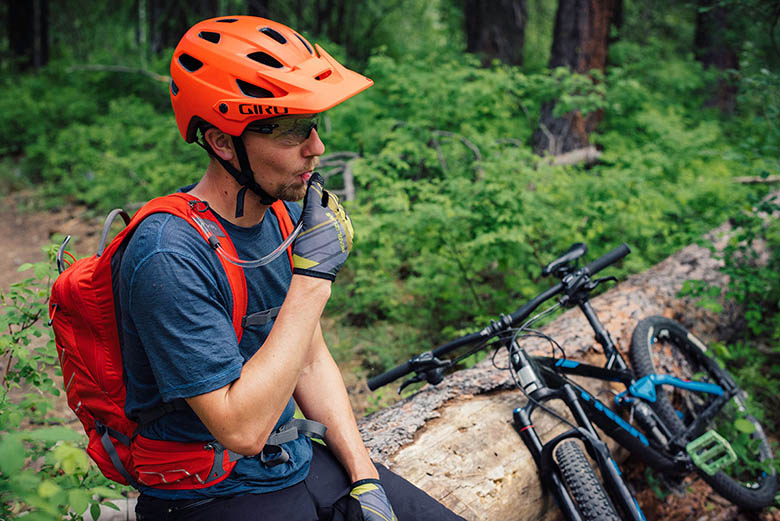
Credit: www.switchbacktravel.com
Using Accessories Without Affecting Fit
Many riders use accessories like GoPro mounts, lights, or visors. These can change helmet fit. Tips:
- Mount accessories only on designed spots (usually the top or sides).
- Check balance; heavy accessories can shift the helmet.
- Visors should not block your vision or force the helmet to tilt.
- After adding accessories, repeat the fit check steps.
Don’t let accessories compromise your safety. If in doubt, remove them.
The Science Behind Helmet Fit
Research shows that a well-fitted helmet reduces injury risk dramatically. In a 2019 study by the National Transportation Safety Board, helmet use decreased severe head injuries by 60%. Improper fit was a factor in many cases where helmets failed.
Another study found that children with properly fitted helmets were five times less likely to suffer head injuries than those with loose or poorly fitted helmets.

Credit: www.youtube.com
Real-world Fit Examples
Let’s look at two riders:
- Anna rides rocky trails. She uses a full-face helmet. After adjusting the retention and chin guard, she checks the fit with her goggles. The helmet stays secure, even on jumps.
- James rides cross-country. He uses a half-shell helmet. He measures his head, chooses a medium, adjusts the dial, and swaps pads for comfort. The helmet sits low and covers his temples.
These examples show that the same principles apply for every rider, but the details may change.
Frequently Asked Questions
How Tight Should A Mountain Bike Helmet Feel?
A helmet should feel snug but not tight. You should not feel pain or pressure. The helmet must stay in place when you shake your head, but allow for comfortable movement and breathing.
Can I Wear A Cap Or Bandana Under My Helmet?
Yes, but only thin caps or bandanas. Thick materials can change the fit and reduce protection. Always check fit after adding anything under the helmet.
What If My Helmet Moves When I Ride?
If the helmet moves, it’s either too loose or improperly adjusted. Check the retention system, straps, and pads. If it still moves, try a smaller size or different brand.
How Often Should I Check My Helmet’s Fit?
Check fit every few months and after any crash. Pads can compress, straps can loosen, and your head shape may change with age or hair.
Is Mips Technology Worth It For Mountain Bike Helmets?
MIPS can reduce rotational forces in a crash, adding extra protection. It’s a good choice for mountain biking, but fit is still the most important factor. Make sure the MIPS helmet fits as well as a standard model.
Getting your mountain bike helmet fit right is not just about comfort—it’s about safety and confidence on the trail. Pay attention to these details, and your helmet will protect you every ride. With the right fit, you can focus on the fun, not the risks.

Credit: www.amazon.com

Hello Guys! I am John Reese, a professional biker and my hobby is biking! I have been biking for last 12 years and I love using bikes while outing as well. Based on my experiences with the different type of bikes (mountain bikes, road bikes and hybrid bikes); I am sharing my opinion about various bikes so that a beginner can get started right away. Happy reading!