
Finding the right fit for mountain bike shoes is not just about comfort. It’s about performance, safety, and making your ride enjoyable. Many riders, especially beginners, think any cycling shoe will do. But mountain biking is different. It involves rough terrain, sudden stops, and sometimes walking or carrying your bike. A poor-fitting shoe can cause pain, reduce control, or even lead to injury. If you’re new to mountain biking or looking to upgrade, learning how your shoes should fit can make a huge difference. This guide covers everything you need to know, from sizing and shoe types to practical advice and common mistakes.
Why Shoe Fit Matters For Mountain Biking
Mountain biking is demanding. You ride over rocks, roots, mud, and steep hills. Your feet must stay secure but also be flexible enough to react quickly. The right fit helps you:
- Control your bike: Your shoes connect you to the pedals. A secure fit lets you steer and brake more confidently.
- Avoid blisters and pain: Shoes that are too tight or loose can rub, leading to discomfort or injury.
- Walk efficiently: Sometimes you have to hike your bike. Mountain bike shoes need to fit well for walking and riding.
Many riders overlook shoe fit, thinking it’s just about size. But it’s much more—shape, closure system, and even sock choice affect how your shoes feel.
Key Features Of Mountain Bike Shoes
Mountain bike shoes are different from road cycling shoes and casual sneakers. Here are the main features:
- Stiff soles: They transfer power efficiently but are usually less stiff than road shoes, allowing for some flexibility when walking.
- Grip: Outsoles often have aggressive tread for traction on dirt or rocks.
- Cleat compatibility: Most mountain bike shoes use a two-bolt system, compatible with SPD and similar pedals.
- Protection: Extra toe and heel protection for rocks and impacts.
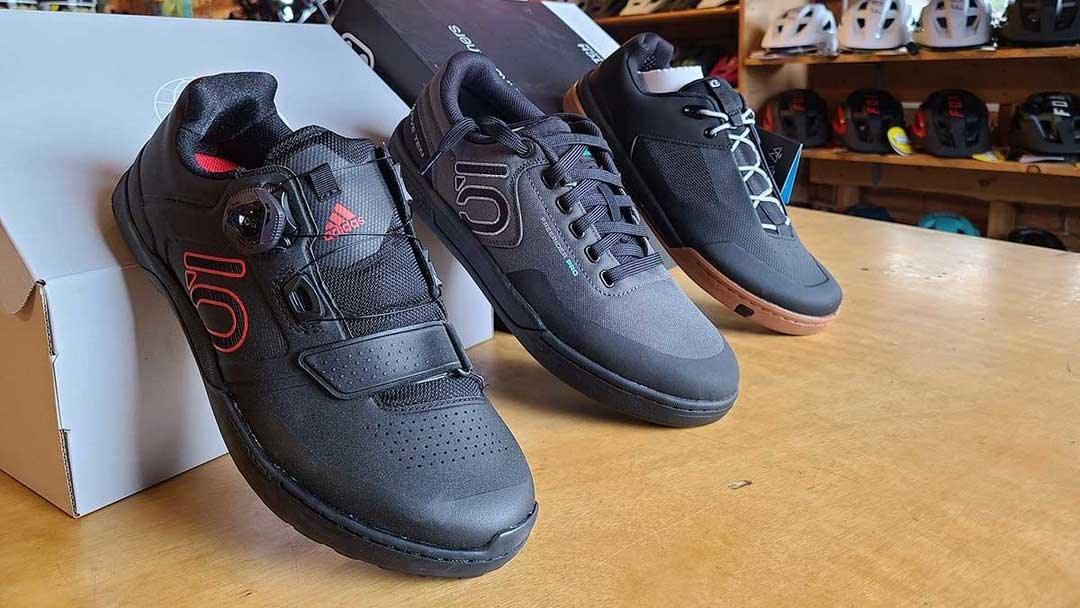
- Closure system: Laces, Velcro, ratchets, or BOA dials—each affects fit and adjustment.
Understanding these features helps you choose a shoe that matches your riding style and terrain.
Sizing: Getting The Numbers Right
Choosing the correct size is the first step. But mountain bike shoe sizing can be tricky. Different brands use different sizing charts, and your usual shoe size may not match cycling shoes.
Measuring Your Feet
Measure your feet at the end of the day, when they’re largest. Wear the socks you plan to use while riding. Stand on a piece of paper, trace your foot, and measure from heel to toe. Compare this to the brand’s sizing chart.
Mountain Bike Shoe Size Vs. Regular Shoe Size
Sometimes mountain bike shoes run smaller or larger than regular shoes. Check reviews or ask in cycling forums for real-world sizing advice.
Here’s a comparison between US shoe sizes and typical mountain bike shoe sizing:
| US Men’s Size | US Women’s Size | Euro Size | Typical MTB Shoe Size |
|---|---|---|---|
| 9 | 10.5 | 42 | 42 – 43 |
| 10 | 11.5 | 43 | 43 – 44 |
| 11 | 12.5 | 44 | 44 – 45 |
Always try shoes on before buying, or check return policies if ordering online.
What A Proper Fit Feels Like
A well-fitted mountain bike shoe should feel snug but not tight. You want:
- No pinching: Toes should move slightly, but not slide around.
- Heel security: Your heel should stay in place when you walk or pedal.
- Midfoot support: The shoe should hug your midfoot, giving support without pressure points.
- Room for socks: Consider thicker socks in colder weather.
A common mistake is choosing shoes that are too loose, thinking they’ll be more comfortable. Loose shoes can cause your foot to move, leading to blisters and poor power transfer.
Shoe Width: More Than Just Length
Many riders focus only on length, but shoe width is equally important. Some brands offer wide or narrow versions.
Signs Your Shoes Are Too Narrow
- Numbness in your toes
- Red marks or pain on the sides of your feet
- Difficulty fitting socks comfortably
Signs Your Shoes Are Too Wide
- Your foot slides side to side
- You feel unstable on the pedals
- Difficulty keeping heel in place
If you have wide or narrow feet, look for brands that offer multiple width options. Specialized and Shimano are known for wide-fit models.
Types Of Mountain Bike Shoes And Fit Differences
There are two main types: clipless and flat pedal shoes. Each has a slightly different fit requirement.
| Type | Fit Characteristics | Best For |
|---|---|---|
| Clipless | Snug, secure heel, midfoot support | XC, trail, enduro |
| Flat Pedal | Roomier toe box, flexible sole | Downhill, freeride, casual |
Clipless shoes need a closer fit for efficient pedaling, while flat pedal shoes allow more movement, especially for aggressive riding.
Trying Shoes: What To Check In The Store
When you try mountain bike shoes, check these points:
- Try with your riding socks: Regular socks can change how shoes fit.
- Walk around: Mountain biking often involves walking. Make sure shoes are comfortable off the bike.
- Stand and flex: Press your toes and heels. Look for pressure points.
- Close the shoe fully: Adjust laces or straps. Your foot should feel secure, not squeezed.
- Simulate pedaling: If possible, stand on your toes or mimic pedal movement.
If you feel discomfort or pinching, try a different size or model.
Closure Systems: Impact On Fit
Mountain bike shoes use different closure systems. Each affects fit in unique ways:
- Laces: Allow fine adjustment but can loosen during the ride.
- Velcro straps: Easy to adjust but may not be as secure for aggressive riding.
- Ratchet buckles: Offer strong security, good for racing.
- BOA dials: Precise, quick adjustment, but sometimes more expensive.
Choose a closure system that matches your riding style and how often you adjust your shoes.
Socks And Insoles: The Hidden Fit Factors
Many riders ignore socks and insoles. But they can change how shoes fit dramatically.
- Thick socks: Add warmth but can make shoes feel tighter.
- Thin socks: Improve pedal feel but may leave shoes too loose.
- Custom insoles: Can help with arch support, prevent pain, and improve fit.
Experiment with different socks and insoles to find your best match. In colder months, consider wool socks for warmth, but make sure your shoes have enough room.
Breaking In Your Shoes
New mountain bike shoes often feel stiff. Don’t judge fit too quickly—many shoes need a break-in period. Ride for short distances first and listen to your feet.
- Typical break-in time: 10–20 hours of riding
- Signs of good break-in: Shoes feel more flexible, pressure points fade
If pain or discomfort persists after break-in, reconsider the size or model.
Credit: livetoplaysports.com
Foot Shape: Not All Feet Are The Same
Foot shape affects fit as much as size. Some riders have high arches, others flat feet. Some have narrow heels, others wide. Shoe brands often cater to different shapes.
How To Identify Your Foot Shape
- Wet foot test: Step on a piece of paper with wet feet. The print shows your arch type.
- Heel width: Check if your heel slips or is snug.
- Toe box shape: Some shoes are round, others more pointed.
If you have unusual foot shapes, look for brands with multiple shape options or custom insoles.
Common Fit Mistakes And How To Avoid Them
Even experienced riders make mistakes. Here are the most common:
- Buying shoes too big: Thinking extra space means comfort. Leads to sliding and blisters.
- Ignoring width: Most people focus only on length.
- Skipping socks in the store: Fit changes with socks.
- Not considering closure system: Some shoes can’t be adjusted easily on the trail.
- Assuming break-in will fix all problems: Major fit issues rarely improve much.
To avoid these, follow the advice in the earlier sections and don’t rush your purchase.

Credit: ride.shimano.com
Gender Differences In Fit
Men’s and women’s mountain bike shoes are designed differently. Women’s shoes often have narrower heels and lower volume. If you’re a woman with wider feet, men’s shoes may fit better—and vice versa.
Example: Women’s Vs. Men’s Shoe Fit
| Feature | Men’s Shoe | Women’s Shoe |
|---|---|---|
| Heel width | Wider | Narrower |
| Volume | Higher | Lower |
| Arch support | Standard | Often higher |
Try both men’s and women’s models to find your ideal fit.
Weather And Fit: Adjusting For Conditions
Mountain biking happens in all kinds of weather. Fit can change with temperature and humidity.
- Cold weather: Feet swell less, thick socks may be needed
- Hot weather: Feet swell more, thinner socks are better
- Wet weather: Shoes may stretch or shrink slightly
Some riders buy two pairs—one for summer, one for winter. If you ride in extreme conditions, consider waterproof shoes or covers.
Youth And Kids: Special Fit Considerations
Children’s feet grow quickly. For young riders, fit is even more important.
- Room to grow: A little extra space is okay, but not too much.
- Easy closure systems: Velcro or BOA dials work well for kids.
- Durability: Kids are tough on shoes. Look for reinforced toes and heels.
Check fit every few months, as growth can be fast.
The Role Of Pedals In Shoe Fit
Pedal type affects shoe fit. Clipless pedals require precise fit for efficient power transfer. Flat pedals allow more flexibility but need good grip.
- Clipless: Shoe must match pedal system. Cleat position affects fit.
- Flat: Shoe sole should be sticky and flexible. Fit can be slightly looser.
If you switch pedal types, you may need different shoes.
Credit: thundermountainbikes.com
Testing Fit At Home: Practical Tips
If you order shoes online, test fit at home before riding outside:
- Wear with cycling socks
- Stand, walk, and simulate pedaling
- Check for hot spots or pressure
- Try closure adjustments
- Leave shoes on for 30–60 minutes
If they feel good after this test, they’re likely right for you.
Upgrading Your Fit: Aftermarket Solutions
Sometimes stock shoes don’t fit perfectly. Try these upgrades:
- Aftermarket insoles: Improve arch support, reduce pain
- Heel grips: Prevent slipping in loose shoes
- Toe box stretchers: Widen tight toe boxes
These solutions can save a shoe that’s almost right, but not perfect.
When To Replace Your Shoes
Mountain bike shoes wear out over time. Signs you need new shoes:
- Loose fit: Shoes stretch after months of use
- Damaged closure: Laces or straps fail
- Worn-out tread: Loss of grip for walking
- Sole flex: Too much flex reduces power transfer
Most riders replace shoes every 2–3 years, depending on use.
Expert Advice: What Bike Shop Pros Recommend
Bike shop experts suggest:
- Try several brands: Fit varies widely between brands
- Don’t buy on price alone: Cheap shoes often lack fit options
- Ask about return policies: Fit can be hard to judge without riding
- Consider your riding style: Aggressive riders need more secure fit
Some shops offer fitting services. Ask for help if you’re unsure.
Non-obvious Insights Most Beginners Miss
- Fit changes during the ride: Feet swell after hours in the saddle. Shoes that feel perfect at first may become tight later.
- Closure systems matter more than you think: The ability to adjust fit mid-ride can prevent hot spots and discomfort.
These points are often missed by new riders but can save you from pain and wasted money.
Frequently Asked Questions
How Tight Should Mountain Bike Shoes Be?
Mountain bike shoes should feel snug but not tight. Your heel should stay in place, and your toes should move slightly. If you feel pressure or numbness, the shoes are too tight.
Can I Use Road Cycling Shoes For Mountain Biking?
Road cycling shoes are not ideal for mountain biking. They lack tread and grip for walking, and their stiff soles can make hiking difficult. Mountain bike shoes are designed for mixed terrain.
How Do I Know If My Shoes Are Too Loose?
Shoes are too loose if your foot slides inside, your heel lifts when walking, or you have trouble controlling the bike. This can lead to blisters and poor power transfer.
Do I Need Different Shoes For Winter And Summer?
Many riders use different shoes for winter and summer. In cold weather, thicker socks may require larger shoes. In hot weather, shoes should be more breathable and may fit tighter due to swelling.
What’s The Best Closure System For Mountain Bike Shoes?
There’s no single best closure system. BOA dials offer precise adjustment, Velcro is simple, and ratchets are secure for aggressive riding. Choose what matches your riding style and comfort.
Mountain bike shoes are your connection to the bike and the trail. Proper fit boosts comfort, control, and safety. Take time to measure, try different brands, and consider factors like width, closure, and socks. Don’t rush the process—your feet will thank you. If you’re unsure, get advice from a local bike shop or check reliable resources like BikeRadar. With the right fit, every ride becomes more enjoyable, and you’ll be ready for whatever the trail throws at you.

Hello Guys! I am John Reese, a professional biker and my hobby is biking! I have been biking for last 12 years and I love using bikes while outing as well. Based on my experiences with the different type of bikes (mountain bikes, road bikes and hybrid bikes); I am sharing my opinion about various bikes so that a beginner can get started right away. Happy reading!