
If you love adventure, mountain biking can open a world of excitement. But before you hit the trails, one question is common: How much weight can a mountain bike hold? This question matters for everyone—from heavier riders and those carrying gear, to parents thinking about a child seat, or anyone curious about bike safety. The answer is not always simple. Different bikes, materials, and designs support different weights. Knowing the real limits will help you ride with confidence and avoid costly or dangerous mistakes.
Whether you’re new to mountain biking or you’ve been riding for years, understanding weight capacity helps you choose the right bike and avoid damage. There’s more to the story than just the frame. Wheels, suspension, and even the tires all play a role.
And sometimes, the numbers in the manual don’t tell the whole truth. Let’s explore what really matters, which numbers to trust, and how to make the best choice for your body and your adventures.
What Does “weight Limit” Really Mean?
When companies say a mountain bike can hold a certain weight, they usually mean the maximum combined load. This includes your body, your clothes, your backpack, water, tools, and anything else on the bike. Some brands call this the “total system weight.” For example, if a bike says “max weight 300 lbs,” that means your body plus all gear should not go over 300 pounds.
But there’s more behind that number. Bike companies test their products in labs, but real trails are full of surprises—rocks, jumps, and sudden impacts. Those things put extra stress on the bike, sometimes much higher than your body weight alone.
That’s why the official limit is not just about static weight (how much the bike holds when standing still), but dynamic weight (the forces when riding). This is where things get tricky.
Typical Weight Limits For Mountain Bikes
Most modern mountain bikes are built strong. Still, you’ll see different limits based on design and materials.
- Standard hardtail mountain bikes: 250–300 lbs (113–136 kg)
- Full-suspension mountain bikes: 250–300 lbs (113–136 kg)
- Downhill/freeride bikes: Up to 350 lbs (159 kg) in some cases
- Entry-level or budget bikes: Sometimes as low as 220 lbs (100 kg)
Premium bikes sometimes go higher, and custom frames can be built for very heavy loads. But always check the manufacturer’s specs.
Example: Weight Limits From Popular Brands
Here’s a look at what some leading brands say:
| Brand | Model Type | Stated Max Weight |
|---|---|---|
| Trek | Hardtail/Full-Suspension | 300 lbs (136 kg) |
| Specialized | Most MTBs | 300 lbs (136 kg) |
| Giant | Standard MTBs | 305 lbs (138 kg) |
| Cannondale | Trail/Downhill | 305 lbs (138 kg) |
| Diamondback | Entry-Level | 250 lbs (113 kg) |
Remember, these numbers are for the total load—not just the rider.

Credit: tfxsuspension.com
What Affects A Mountain Bike’s Weight Capacity?
A mountain bike’s weight limit is not just about the frame. It’s a system made of many parts, each with its own strength. Understanding the role of each part helps you make smart decisions, especially if you’re a heavier rider or plan to carry gear.
Frame Material And Design
The frame is the main structure. Common materials are:
- Aluminum: Most popular, strong, light, and affordable. Handles 250–300 lbs in most cases.
- Steel: Extra tough and flexible. Sometimes used for heavy-duty bikes, can handle higher weights.
- Carbon fiber: Light and strong but can be brittle if overloaded or hit hard. Usually rated the same as aluminum, but with more risk for cracks from impacts.
- Titanium: Rare and very strong. Used in some custom bikes for heavy riders.
The shape and thickness of frame tubes also matter. Downhill and fat bikes use thicker tubing for extra strength.
Wheels And Rims
Wheels are often the weakest link, especially with heavy riders. Wheel strength depends on:
- Number of spokes: More spokes = stronger wheel.
- Rim width/material: Wider, reinforced rims hold more weight.
- Tire size and pressure: Bigger tires can help spread the load, but too much pressure or too little can cause problems.
For example, a standard 32-spoke wheel may be fine for most riders, but heavier riders often choose 36-spoke or even 40-spoke wheels for more strength.
Suspension
Suspension forks and rear shocks are built for a range of weights. Too light or too heavy a rider can make the suspension work badly—too soft or too stiff.
Most good mountain bikes allow you to adjust air pressure or springs in the suspension to match your weight. But every fork and shock has a max pressure and a safe load limit. Overloading can cause poor handling or even break the suspension.
Other Parts: Handlebars, Seatposts, And Pedals
Don’t forget the smaller parts. Handlebars and seatposts can bend or break if overloaded, especially if made of lightweight materials like carbon fiber. Pedals and crank arms can also be points of failure. If you’re near or above the max weight, consider upgrading these parts to stronger versions.
Accessories And Extra Gear
If you carry a heavy backpack, pack for bikepacking, or use a child seat or trailer, add all that weight to your total. It’s easy to forget how quickly gear adds up—water, tools, spare tubes, food, and cameras can easily add 10–20 lbs.
Rider Style And Terrain
Aggressive riding, like jumping or rough downhill trails, puts more stress on the bike than gentle riding. That means the same bike can be safe for a 250-lb rider on smooth trails, but not on rocky, technical descents. If you love jumps or drops, leave extra margin below the stated weight limit.
Why Do Weight Limits Matter?
Ignoring weight limits is risky. Here’s what can happen:
- Frame failure: Cracks or breaks, sometimes suddenly.
- Wheel problems: Bent rims, broken spokes, or even complete wheel collapse.
- Suspension issues: Bottoming out, poor control, or broken shocks.
- Warranty void: Most brands won’t cover damage if you’re above the limit.
Even if the bike feels fine for a while, repeated stress can cause hidden damage that shows up later, sometimes when you least expect it.
How To Check A Mountain Bike’s Weight Limit
Finding the real weight limit is not always easy. Here’s how to do it:
- Check the manual: Most brands list the max total weight.
- Look at the company website: Search for “weight limit” or “total system weight.”
- Ask the shop: Bike shops often know more than the website, especially about what works in the real world.
- Contact customer support: If you’re unsure, send an email or call.
- Check the parts: Look for max weight on wheels, fork, and other parts.
Be aware: Sometimes you’ll find different numbers for the same model. If in doubt, use the lowest number as your safe limit.
Special Cases: E-mountain Bikes
E-mountain bikes (e-MTBs) are heavier and often used by bigger riders. They also carry batteries and motors, adding extra weight.
Many e-MTBs have similar limits (around 300 lbs), but some heavy-duty models go up to 350 lbs or more. The extra power also puts more stress on the frame and wheels, so it’s even more important to follow the limits.
Some e-MTBs have special wheels, tires, and stronger frames, but also check the battery and motor warranty. Overloading can reduce battery life and void some warranties.
How To Make A Mountain Bike Hold More Weight
If you’re above the standard limits, or just want extra safety, there are ways to make your bike stronger.
Upgrade Wheels
This is the most effective change. Choose:
- 36-spoke wheels or more for extra strength
- Double-wall rims for better impact resistance
- Stronger hubs with larger axles
Use Heavy-duty Tires
Wider tires (2. 4” or more) at the right pressure help spread weight and absorb shocks, reducing rim damage.
Swap To Stronger Handlebars And Seatposts
Choose aluminum or steel instead of lightweight carbon fiber, especially if you’re near the limit.
Add A Suspension Fork With Higher Max Pressure
Some forks are rated for heavier riders. Make sure it matches your weight and riding style.
Consider A Steel Frame
Steel frames flex under load and often last longer with heavy use. They may be heavier, but can handle more abuse.
Lower The Drop Height
If you love jumps, keep them small. Large drops and jumps multiply the forces on your bike. Even a 1-foot drop can create force several times your body weight.
Common Mistakes Riders Make
- Ignoring the total system weight: Only counting body weight, not gear or accessories.
- Trusting the frame but not the wheels: Wheels are often the weak link.
- Not adjusting suspension: Suspension should match your weight for safety and comfort.
- Overinflating tires: Trying to compensate for weight, but risking blowouts or rim damage.
- Skipping regular checks: Heavier loads need more frequent inspection for cracks, loose spokes, or other problems.
Real-world Experiences: Heavier Riders On Mountain Bikes
Many riders over 250 lbs ride mountain bikes safely, but their experiences show a few truths:
- Stronger wheels are key: Most wheel problems happen before the frame fails.
- Upgrades matter: A few part upgrades can make a big difference.
- Routine maintenance is critical—check spokes, rims, and bolts often.
- Choose the right trails: Some trails are too rough for any bike near its max weight.
A 280-lb rider on a standard hardtail may have no problems on smooth trails, but more issues on rocky or jump-heavy tracks. Some experienced riders recommend custom-built wheels and steel frames for long-term durability.
Comparing Weight Limits: Mountain Bikes Vs Other Bikes
How Do Mountain Bikes Compare To Other Types?
| Type of Bike | Common Weight Limit | Notes |
|---|---|---|
| Road bike | 220–250 lbs (100–113 kg) | Lighter frame, not for jumps |
| Hybrid bike | 250–300 lbs (113–136 kg) | Similar to mountain, but less off-road |
| Fat bike | 300–350 lbs (136–159 kg) | Wider tires, built for snow/sand |
| Electric bike | 250–350 lbs (113–159 kg) | Depends on model, motor adds weight |
| BMX | 220–250 lbs (100–113 kg) | Strong for stunts, small frame |
Mountain bikes sit in the middle—stronger than road and hybrid bikes, but not as tough as some fat bikes or special heavy-duty models.

Credit: viribusbikes.com
Signs You’re Over The Limit
If your bike is carrying too much weight, you may notice:
- Frequent flat tires
- Wobbly or bent wheels
- Cracks in the frame paint or welds
- Unusual creaks or pops
- Poor handling or braking
If you see these signs, get your bike checked by a pro. Don’t ignore the warning signs—early repairs are cheaper (and safer) than a big failure on the trail.
Tips For Heavier Riders
- Choose a bike with a higher limit—don’t rely on the lowest number.
- Invest in stronger wheels first—they fail before the frame.
- Adjust suspension for your weight—get the right air pressure or spring.
- Inspect your bike often—look for cracks, loose bolts, or worn parts.
- Keep your tires at the right pressure—not too high or low.
- Start with smoother trails—work up as you build skill and confidence.
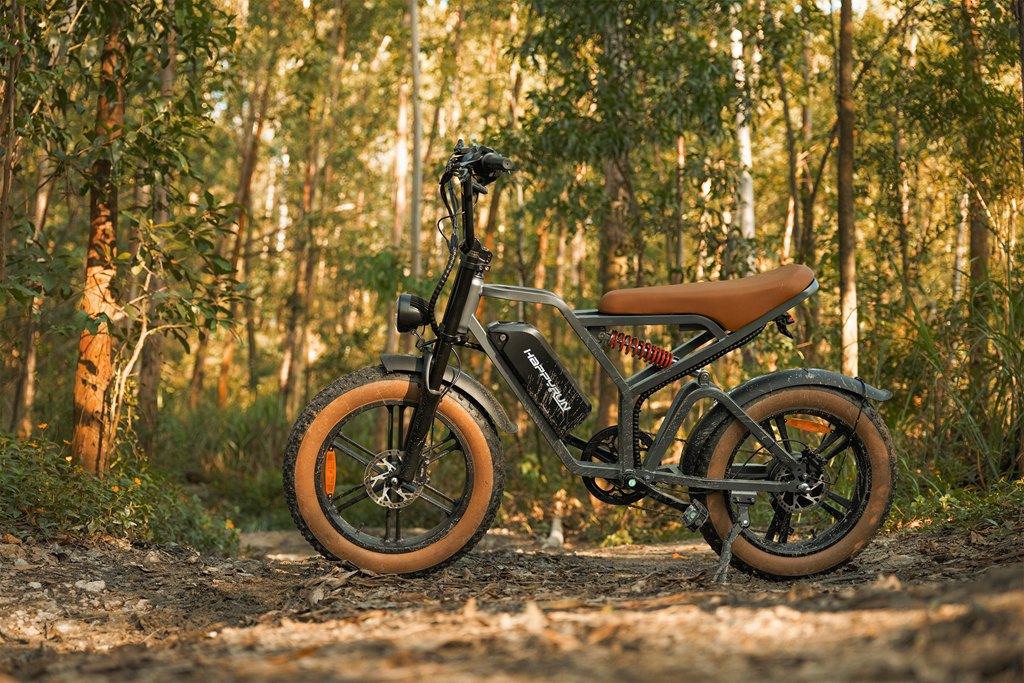
Credit: www.happyrunsports.com
The Role Of Maintenance In Bike Safety
If you’re a heavier rider, or carry lots of gear, maintenance is even more important. Here’s why:
- Bolts and fasteners loosen faster with more weight and bumps.
- Spokes need regular tightening—loose spokes lead to wheel failure.
- Tires wear out quicker—check for cuts or bulges.
- Suspension may need more frequent service—check seals and air pressure.
A monthly check can prevent most problems. If you’re not sure, ask a local bike mechanic for a safety check.
Can You Ride If You’re Above The Limit?
Some riders do ride bikes above the listed weight limit. But it’s a risk. Over time, even strong bikes can develop cracks or fail suddenly. If you must ride above the limit:
- Ride gently—avoid jumps, drops, or rough trails.
- Inspect your bike before every ride.
- Upgrade key parts (especially wheels).
- Consider a custom-built bike designed for higher weights.
But for peace of mind and safety, choosing a bike within your weight range is always the best option.
Frequently Asked Questions
What Is The Average Weight Limit For A Mountain Bike?
Most mountain bikes support a total weight of 250–300 lbs (113–136 kg), including the rider and gear. Some heavy-duty models go higher. Always check the manufacturer’s specs for your exact bike.
Can Heavier Riders Safely Use Mountain Bikes?
Yes, but heavier riders should choose bikes with higher weight limits, upgrade wheels, and check their bikes more often. Proper suspension setup and regular maintenance are key for safety and comfort.
Will Riding Above The Weight Limit Break My Bike Right Away?
Not always. Many bikes survive short-term overloading, but long-term stress can cause cracks, bent wheels, or sudden failure—especially during jumps or on rough trails. It’s safer to stay within the limits.
Are Carbon Fiber Mountain Bikes Safe For Heavy Riders?
Carbon bikes can be strong, but they are more sensitive to impacts and overloading. Heavier riders should be careful, avoid big jumps, and consider aluminum or steel for extra safety, especially on rough terrain.
Where Can I Find More Information About Mountain Bike Weight Limits?
Check your bike’s manual, the brand website, or ask a local bike shop. For more details on bike design and safety, visit the Mountain bike Wikipedia page.
Mountain biking is for everyone, no matter your size. By understanding your bike’s weight limit and making smart upgrades, you can enjoy the trails with confidence. Always choose safety over risk, maintain your bike, and the adventure will last for years to come.

Hello Guys! I am John Reese, a professional biker and my hobby is biking! I have been biking for last 12 years and I love using bikes while outing as well. Based on my experiences with the different type of bikes (mountain bikes, road bikes and hybrid bikes); I am sharing my opinion about various bikes so that a beginner can get started right away. Happy reading!