
Keeping your mountain bike in top shape is more than just a matter of performance—it’s about safety, fun, and getting the most value from your gear. If you ride often, you may wonder how frequently you should tune up your mountain bike.
The answer isn’t always simple, but knowing what to check, how often, and why it matters can help you avoid costly repairs and dangerous breakdowns. Whether you’re new to mountain biking or a seasoned rider, this guide will help you make clear decisions about your bike’s maintenance schedule.
Why Tuning Up Your Mountain Bike Matters
Mountain bikes face rough trails, mud, dust, and water. All these elements can wear down parts faster than a road bike. A regular tune-up keeps your bike safe, smooth, and ready for any adventure. Neglecting maintenance can lead to poor shifting, weak brakes, or even frame damage. In fact, studies show that bikes maintained regularly last up to 40% longer compared to neglected bikes.
A well-tuned mountain bike also offers:
- Better control on tricky terrain
- Safer rides with reliable brakes and gears
- Lower repair costs by catching small problems early
- More enjoyable experiences without unexpected breakdowns
What Is A Mountain Bike Tune-up?
A tune-up means more than just a quick cleaning. It covers a set of detailed tasks that keep all bike parts working well. A typical tune-up includes:
- Checking and adjusting brakes
- Inspecting and tuning gears (derailleurs)
- Lubricating the chain and moving parts
- Inspecting tires and wheels for damage or wear
- Cleaning the frame and components
- Tightening bolts and checking for cracks
- Testing suspension (if your bike has it)
Professional tune-ups might also include bearing checks, wheel truing, and deeper inspections.
How Often Should You Tune Up A Mountain Bike?
The right schedule depends on your riding style, terrain, weather, and how often you ride. Here’s a simple breakdown:
Basic Tune-up Frequency
Most riders should follow these general rules:
- Casual riders (1–2 times per week): Every 6 months
- Frequent riders (3–5 times per week): Every 3–4 months
- Daily riders or racers: Every 1–2 months
If you ride in wet, muddy, or dusty conditions, tune-ups should be more frequent. High-impact rides (like downhill or aggressive trail riding) also mean more maintenance.
Table: Tune-up Frequency By Riding Habits
| Riding Frequency | Recommended Tune-Up Interval | Conditions |
|---|---|---|
| Casual (1-2/week) | Every 6 months | Dry, smooth trails |
| Moderate (3-5/week) | Every 3-4 months | Mixed terrain |
| Heavy (Daily/Racing) | Every 1-2 months | Rough, wet, or muddy trails |
Signs Your Bike Needs A Tune-up
Sometimes, you need a tune-up sooner than scheduled. Watch for these signs:
- Gear shifting is rough or noisy
- Brakes feel weak or squeak
- Chain skips or slips
- Unusual noises from pedals, wheels, or handlebars
- Tires lose air quickly
- Suspension feels stiff or leaks oil
Ignoring these signs can make riding dangerous and repairs more expensive.
What Happens During A Mountain Bike Tune-up?
A tune-up covers many small tasks that, together, keep your bike reliable. Here’s what mechanics typically do:
Brake System
- Adjust brake pads for proper contact
- Check for pad wear and replace if needed
- Inspect cables or hydraulic fluid
- Test lever feel and response
Gear System
- Fine-tune derailleur alignment
- Adjust shift cables and housing
- Lubricate moving parts
- Check chain for stretch and replace if necessary
Wheels And Tires
- Inspect for damage, cracks, or loose spokes
- Check tire tread and sidewalls
- Adjust tire pressure
- True (straighten) wheels if needed
Frame And Suspension
- Clean and inspect frame for cracks
- Tighten bolts and check headset
- Lubricate suspension pivots
- Inspect fork and shock for leaks
Table: Tune-up Checklist
| Component | What’s Checked | Possible Actions |
|---|---|---|
| Brakes | Pad wear, cable/hose, lever feel | Adjust, replace pads, bleed fluid |
| Gears | Derailleur alignment, cable tension | Adjust, lubricate, replace chain |
| Wheels | Spokes, rim, tire condition | True wheel, replace tire, tighten spokes |
| Frame | Cracks, bolts, headset | Inspect, tighten, clean |
| Suspension | Fork/shock, pivots | Lubricate, check for leaks |
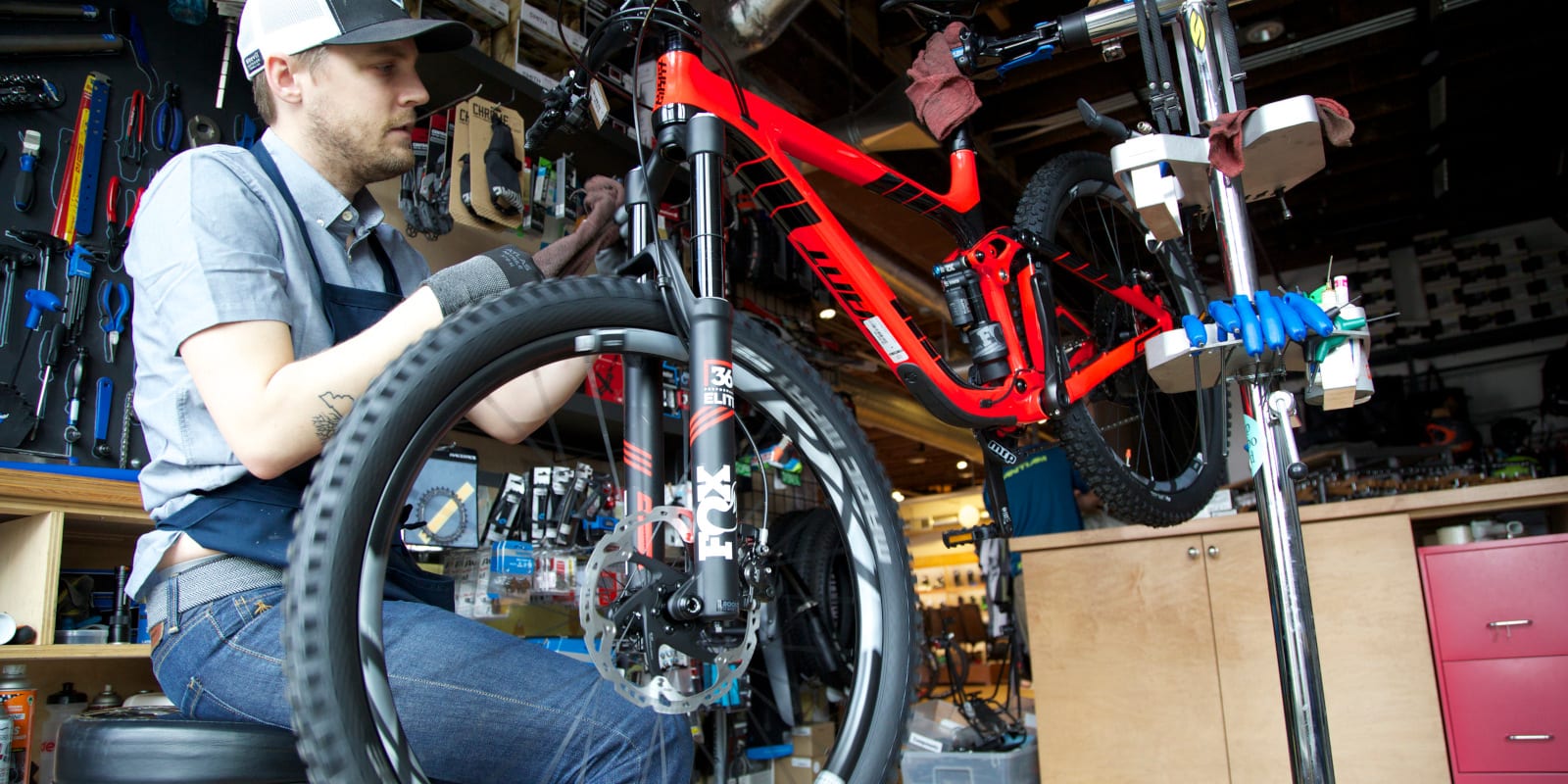
Credit: www.uncovercolorado.com
Diy Tune-up Vs Professional Service
You can tune up your mountain bike at home, but some tasks require skill and special tools. Here’s how to decide:
What You Can Do Yourself
- Cleaning and lubricating the chain
- Adjusting tire pressure
- Tightening bolts
- Minor brake or gear adjustments
When To Visit A Shop
- Wheel truing
- Suspension service
- Hydraulic brake bleeding
- Deep bearing inspection
If you’re new to bike maintenance, start with simple tasks and learn gradually. Many bike shops offer quick tune-ups at reasonable prices, usually $50–$150 depending on depth.
Table: Diy Vs Professional Tasks
| Task | DIY | Professional Only |
|---|---|---|
| Chain Lubrication | ✔️ | |
| Brake Adjustment | ✔️ (basic) | ✔️ (hydraulic) |
| Gear Tuning | ✔️ | |
| Wheel Truing | ✔️ | |
| Suspension Service | ✔️ | |
| Bearing Replacement | ✔️ |
Seasonal Tune-up Tips
Mountain biking changes with the seasons. Each season brings new challenges for your bike.
Spring
- Clean off winter salt and mud
- Check tires for cracks from cold
- Inspect suspension seals
Summer
- Lubricate chain often due to dust
- Check tire tread for wear from dry trails
- Inspect brake pads after long rides
Fall
- Clean off leaves, mud, and debris
- Check for water damage after rainy rides
- Lubricate moving parts more often
Winter
- Wash bike after rides in snow or slush
- Dry and lubricate quickly to prevent rust
- Store bike indoors if possible
Practical Maintenance Schedule
A clear schedule helps you stay on track. Here’s a simple timeline for most mountain bikers:
- Before every ride: Check tire pressure, brakes, and chain.
- After every ride: Wipe frame, clean chain, check for damage.
- Every month: Inspect gears, brake pads, suspension, and bolts.
- Every 3–6 months: Full tune-up at home or shop.
If you ride more often, move monthly tasks to every two weeks.
Common Mistakes In Mountain Bike Maintenance
Many riders make mistakes that can shorten the life of their bike. Avoid these common errors:
- Ignoring small problems: A noisy chain or weak brake can become serious fast.
- Using wrong lubricants: Mountain bikes need special lubricants—not car oil.
- Over-tightening bolts: This can crack parts or strip threads.
- Skipping suspension care: Dirty or dry suspension can fail suddenly.
- Not cleaning after muddy rides: Mud can hide cracks and wear out parts.
Most beginners miss the importance of regular suspension checks and cleaning after wet rides. These steps prevent hidden damage and keep your bike running longer.
How Terrain Affects Tune-up Frequency
The type of trails you ride changes how often you need maintenance.
- Rocky trails: Cause more damage to wheels and frame.
- Muddy trails: Wear out chains, gears, and brakes faster.
- Dusty trails: Dry out lubricants and clog parts.
If you ride in tough terrain, tune up your bike more often. For example, after a weekend in mud, clean and lubricate the chain and check brakes right away. If you ride smooth, dry trails, you can wait longer between full tune-ups.
How Weather Impacts Tune-ups
Weather can change how fast your bike wears out.
- Rain: Causes rust and water damage. Clean and dry after every wet ride.
- Heat: Makes lubricants dry out. Check and reapply often.
- Cold: Can crack tires and harden lubricants. Inspect parts more often.
Riders often forget to adjust their maintenance for weather. If you notice rust, squeaky parts, or stiff suspension, act quickly.
How To Make Tune-ups Easier
Tune-ups don’t have to be hard. Here are ways to make them simpler:
- Keep a maintenance log: Write down dates and tasks. This helps you spot patterns and remember what’s due.
- Use the right tools: A basic kit includes tire levers, a chain tool, lubricants, and a multi-tool.
- Learn from videos: Many shops and experts offer free guides online.
- Do small checks often: Five minutes before and after rides can prevent big problems.
Most riders ignore maintenance logs, but keeping one helps spot early signs of trouble and keeps your schedule clear.
How Tune-up Frequency Saves Money
Regular tune-ups cost less than big repairs. A simple chain replacement ($20–$40) is much cheaper than a new drivetrain ($100–$400). Catching problems early prevents expensive failures. One study found that riders who tune up their bikes every three months spend 25% less on repairs over three years.
If you plan to sell your bike, regular tune-ups keep its value high. Buyers prefer bikes with clear maintenance history and smooth operation.

Credit: www.reddit.com
Tune-up Tips For Beginners
If you’re new, start simple:
- Learn basic tasks: Tire pressure, chain cleaning, brake checks.
- Schedule monthly checks on your calendar.
- Visit a shop once or twice a year for a full tune-up.
Don’t be afraid to ask questions. Mechanics are used to helping beginners and can show you simple steps.
Advanced Tune-up Strategies
Experienced riders can go further:
- Use torque wrenches for bolts
- Check spoke tension for wheels
- Service suspension according to manufacturer guidelines
- Replace cables and housing annually
Advanced tune-ups prevent failures during races or long rides. If you plan big trips or events, schedule a tune-up two weeks before.
When To Replace Parts Vs Tune-up
Tune-ups can fix many problems, but some parts need replacing.
- Chain: Replace every 1,500–2,000 miles.
- Brake pads: Replace when worn down to 1–2 mm.
- Tires: Replace if tread is worn or sidewalls are cracked.
- Suspension seals: Replace if leaking or after 100–200 hours of riding.
If you’re unsure, ask a mechanic or check with your bike’s manufacturer.
How To Choose A Bike Shop For Tune-ups
Choosing the right shop makes a difference.
- Look for certified mechanics
- Ask about tune-up packages and prices
- Check reviews and ask other riders
- Make sure the shop specializes in mountain bikes
A good shop explains repairs and gives honest advice. Don’t hesitate to ask about their experience with your bike model.

Credit: www.reddit.com
Non-obvious Insights For Mountain Bike Tune-ups
- Suspension inspection is often skipped. Many riders focus on brakes and gears but miss suspension. Dirty or dry suspension can cause sudden failure and dangerous rides.
- Tune-up frequency should rise after big events. If you join a race or weekend trip with lots of riding, do a full check after—even if your schedule says it’s not time yet.
Beginners may overlook these points, but they protect your bike and improve safety.
Frequently Asked Questions
How Often Should I Tune Up My Mountain Bike If I Only Ride On Weekends?
If you ride once or twice each weekend, a full tune-up every six months is usually enough. But do quick checks before each ride—look at tire pressure, brakes, and the chain. If you ride in muddy or wet conditions, tune up more often.
What Is Included In A Professional Mountain Bike Tune-up?
A professional tune-up often covers brake adjustments, gear tuning, chain cleaning, wheel inspection, frame checks, suspension checks, and tightening bolts. Some shops offer deeper services like bearing checks or wheel truing. Ask your shop what’s included before booking.
Can I Tune Up My Mountain Bike At Home?
Yes, many tasks are easy to do at home, like chain cleaning, tire checks, and basic gear/brake adjustments. For advanced tasks (like wheel truing or suspension service), visit a shop unless you have the right tools and skills. Online videos and guides can help beginners learn.
How Does Weather Impact My Tune-up Schedule?
Wet, muddy, or dusty weather speeds up wear on your bike. After riding in rain or mud, clean and dry your bike right away and check brakes and gears. In hot weather, lubricate the chain more often. Cold can crack tires, so inspect them regularly.
Where Can I Learn More About Mountain Bike Maintenance?
You can find helpful guides and videos from trusted sources like Pinkbike. Local bike shops also offer workshops, and many manufacturers have tips on their websites.
Taking care of your mountain bike is an investment in safety, performance, and fun. With the right schedule and habits, you’ll enjoy smoother rides, fewer breakdowns, and longer-lasting gear. Whether you tune up at home or use a pro shop, keep your bike checked and ready—so you can focus on the trail ahead.

Hello Guys! I am John Reese, a professional biker and my hobby is biking! I have been biking for last 12 years and I love using bikes while outing as well. Based on my experiences with the different type of bikes (mountain bikes, road bikes and hybrid bikes); I am sharing my opinion about various bikes so that a beginner can get started right away. Happy reading!