
Building your own mountain bike is a rewarding experience. You not only get a bike tailored to your needs, but you also learn how each part works together. This guide will walk you through each step, from unpacking the frame to the final adjustments.
Whether you’re new to bike assembly or have some experience, you’ll find practical advice, common pitfalls, and expert tips to help you succeed. With patience and the right tools, you can assemble a mountain bike that performs well and lasts for years.
Preparing For Assembly
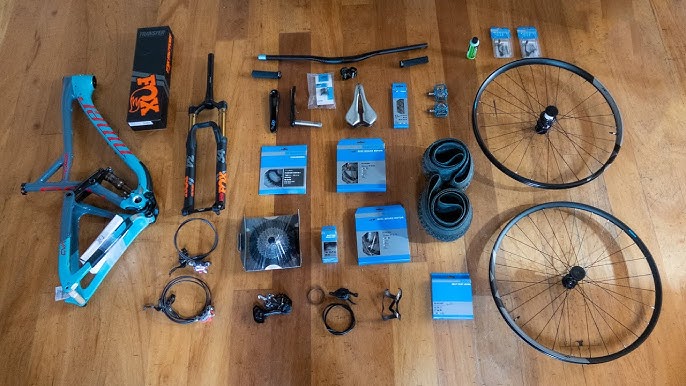
Before starting, gather the necessary tools and parts. This step saves time and prevents frustration later. Many new builders rush into assembly without checking for missing components or the right tools, which can lead to delays or mistakes. Take a few extra minutes to double-check everything on your list.
- Bike frame: This is the heart of your bike. Choose a frame that suits your riding style and fits your body size.
- Fork: Provides front suspension and connects to the front wheel.
- Headset: Allows smooth turning of the handlebars.
- Handlebars: Different shapes affect handling and comfort.
- Stem: Connects the handlebars to the fork.
- Seatpost: Holds the saddle in place.
- Saddle: A comfortable saddle can make long rides easier.
- Crankset: Transfers pedal power to the drivetrain.
- Bottom bracket: Holds the crankset and allows smooth rotation.
- Pedals: Choose between flat, clipless, or hybrid styles.
- Wheelset (front and rear wheels): The quality of your wheels affects speed and stability.
- Tires and tubes (or tubeless setup): Thicker tires offer better grip, thinner tires are lighter.
- Brakes (disc or rim): Disc brakes are more powerful, rim brakes are lighter.
- Brake levers: Fit your hand size for easy use.
- Shifters: Controls gear changes.
- Derailleurs (front and rear): Moves the chain between gears.
- Cassette: Set of sprockets on the rear wheel.
- Chain: Transfers power from pedals to the wheels.
- Cables and housing: Needed for brakes and shifters.
- Grip tape or grips: Essential for comfort and control.
- Accessories (water bottle cage, reflectors, etc. ): Personalize your bike for your needs.
Essential Tools
- Allen wrenches (hex keys): Most bolts use these.
- Screwdrivers (Phillips and flathead): For derailleurs and accessories.
- Torque wrench: Prevents over-tightening and damage.
- Cable cutters: Makes clean cuts on brake and shift cables.
- Chain tool: For joining and breaking chains.
- Bottom bracket tool: Needed for certain bracket types.
- Pedal wrench: Designed for tight spaces.
- Cassette tool: To install or remove the cassette.
- Tire levers: Helps mount tires without damage.
- Pump: Essential for correct tire pressure.
- Grease and lubricant: Reduces friction and prevents rust.
Having a clean workspace helps. Lay out all parts. Read instructions for each component if available. For beginners, it’s useful to organize parts in the order you’ll need them. Some experienced builders even label parts to avoid confusion. If you’re working in a garage or workshop, keep tools within easy reach.
Never underestimate the value of a well-lit area; poor lighting makes it hard to spot mistakes.
Unpacking And Inspecting Components
Carefully open all boxes and packaging. Check for damage or missing parts. Inspect the frame for cracks, dents, or paint flaws. Look at the fork, wheels, and drivetrain. If you find issues, contact the seller before starting assembly.
Some beginners miss hidden defects like bent derailleur hangers or mismatched axle sizes. Double-check compatibility between frame and fork, and between wheels and hubs. Lay parts out by assembly order to avoid confusion.
Experienced builders often find that small defects, like a poorly finished weld or a missing bearing, can cause bigger problems later. Take photos of any damage for warranty claims. For carbon frames, inspect for hairline cracks, which are hard to see but dangerous.
Test moving parts like wheel hubs and headset bearings for smoothness. Spin each wheel to check for trueness—wobbly wheels need adjustment before assembly.
Another insight: check the serial numbers on your frame and components. Write them down or photograph them. This helps if you need to claim warranty or if your bike is stolen.
Installing The Bottom Bracket And Crankset
This step lays the foundation for the drivetrain. Many overlook proper torque settings or lubrication, which can cause problems later.
Bottom Bracket Installation
- Clean the bottom bracket shell on the frame. Even small bits of dirt can affect performance.
- Apply a thin layer of grease to threads (if threaded). For press-fit, use assembly paste if recommended.
- Insert the bottom bracket using the correct tool. Make sure it seats fully.
- Tighten to manufacturer’s torque specification. Over-tightening can crack the shell.
There are several types: threaded, press-fit, and external cup. Make sure you have the right tool for your bottom bracket. If you’re unsure, check the frame’s manual or search for your model online.
A beginner mistake is installing a bottom bracket without checking for correct orientation. Some brackets are directional. If you feel resistance, stop and check instructions. Also, double-check spacer placement; missing spacers lead to crank wobble.
Crankset Installation
- Slide crankset spindle through the bottom bracket. If it feels tight, apply a little grease.
- Attach crank arms, tightening bolts evenly. Uneven tightening can cause the arms to loosen during rides.
- Use a torque wrench for final tightening. Always follow the recommended settings.
A common mistake is forgetting spacers or washers, which affect chain alignment. Check that the crank arms spin freely and do not wobble. If you hear grinding or resistance, re-check the bottom bracket installation.
Check the orientation of the crank arms: they should be 180 degrees apart. If they’re not, the bike will feel awkward and may damage the crankset.
Mounting The Fork And Headset
The fork and headset connect the front wheel to the frame. Getting this right is key for safe steering.
Headset Assembly
- Grease headset bearings lightly. This prevents corrosion and ensures smooth movement.
- Insert bearings into the frame’s head tube. Make sure they sit flat.
- Slide fork steerer tube through bearings. Take care not to damage seals.
- Place spacers and stem over the steerer. Use enough spacers for your desired handlebar height.
- Install the top cap and bolt. Tighten gently; overtightening can crush bearings.
Press-fit headsets require a special tool, but many modern bikes use integrated designs. Make sure the fork turns smoothly without play or tightness.
A non-obvious tip: if you feel resistance or hear clicking, remove the fork and re-grease the bearings. Small grit can cause big problems later. Also, check that the headset preload (top cap bolt) is not too tight—this is a common beginner mistake.
Fork Installation
- Check fork alignment with the frame. The fork should sit straight, not angled.
- Insert fork fully into the head tube.
- Secure stem and spacers.
- Tighten stem bolts to the recommended torque.
If the fork steerer is too long, you may need to cut it. Always measure twice and cut once. Use a proper saw guide for accuracy.
If you’re unsure about cutting, leave extra spacers above the stem. This allows for future adjustments and avoids irreversible mistakes.
Attaching The Stem And Handlebars
This step affects control and comfort. Choose handlebars that suit your riding style—wide bars for stability, narrow for agility.
- Slide stem onto fork steerer. Make sure it sits flush.
- Align stem with front wheel. Stand over the bike and sight down the front wheel for alignment.
- Insert handlebars into stem clamp. Center them using bar markings.
- Tighten clamp bolts evenly. Alternate bolts to avoid pinching.
- Adjust bar angle for comfort.
Use a torque wrench for stem bolts. Uneven tightening can cause slippage. Check that handlebars move freely and are centered.
Handlebar height matters. Too low can strain your back; too high affects control. Experiment before final tightening.
Some riders add spacers below the stem for more upright posture. If you have wrist pain, try rotating the bars slightly forward or back.
Installing The Seatpost And Saddle
Proper seat height and angle improve comfort and pedaling efficiency.
- Apply grease to seatpost (unless frame is carbon or requires assembly paste). This prevents sticking and makes adjustments easier.
- Insert seatpost into frame. Don’t force it; it should slide easily.
- Tighten seat clamp to manufacturer’s spec. Overtightening can crack the frame.
- Attach saddle to seatpost. Use a level to check angle.
- Adjust saddle angle and position.
Most riders set the saddle level or with a slight nose-down tilt. Measure seat height from the center of the bottom bracket to the top of the saddle. Fine-tune after test rides.
A useful tip: If you plan to ride off-road, consider a saddle with a flexible shell for better comfort. For long rides, a wider saddle may help. Always check saddle rails for cracks before installation.

Credit: www.schwinnbikes.com
Fitting The Wheelset
Wheels are essential for ride quality. Make sure they’re true (straight) and properly secured.
Installing Tires And Tubes
- Place tire on rim, leaving one side open.
- Insert tube (if not tubeless).
- Seat tire fully. Use your hands, not tools, to avoid pinching the tube.
- Inflate to recommended pressure.
Tubeless setups need rim tape, sealant, and careful seating. Beginners often skip rim tape, leading to leaks.
Another insight: If the tire won’t seat, deflate and re-inflate while squeezing the tire sidewalls. For tubeless tires, shake the wheel to distribute sealant. Check for air leaks by listening for hissing or spraying soapy water.
Mounting Wheels
- Insert front wheel into fork dropouts. Make sure it’s centered.
- Tighten quick release or thru-axle. The lever should be firm, not hard to close.
- Repeat for rear wheel.
Check that wheels spin freely. Adjust if there’s rubbing or resistance.
For disc brakes, make sure the rotor is between the brake pads. If you hear scraping, adjust the caliper.
Setting Up Brakes
Mountain bikes use either disc brakes or rim brakes. Disc brakes are more common for modern bikes.
Installing Disc Brakes
- Mount brake caliper to frame and fork. Use the correct bolts and washers.
- Insert brake rotor onto wheel hub. Clean rotors with alcohol before installation.
- Tighten bolts using star pattern. This prevents warping.
- Attach brake levers to handlebars. Position for easy reach.
- Run cables or hoses to calipers.
Hydraulic brakes require bleeding; follow manufacturer’s instructions. Mechanical disc brakes need cable tension adjustment.
A beginner mistake is touching rotors with oily hands, causing poor braking. Always use gloves or clean hands.
Installing Rim Brakes
- Mount brake arms to frame or fork. Use correct mounting holes.
- Attach brake pads. Adjust for correct height and angle.
- Install brake levers. Tighten clamps securely.
- Run cables and adjust tension.
Check brake pad alignment. Pads should contact rim evenly. Test brake function before riding.
Adjusting Brakes
Squeeze levers and check for firmness. If brakes feel soft, adjust cable tension or bleed hydraulic lines. Pads should not rub when wheels spin.
If you notice squealing, clean pads and rims. For disc brakes, check for rotor warping. For rim brakes, ensure pads aren’t too close to tire sidewalls.
Installing Shifters And Derailleurs
Smooth shifting is vital for mountain biking. Mistakes here cause poor performance.
Attaching Shifters
- Mount shifters next to brake levers. Use markings for correct placement.
- Tighten clamps evenly. Don’t overtighten; shifters should rotate slightly for safety.
- Adjust angle for comfort.
Some riders prefer shifters angled slightly upward for easier thumb access. Test position before final tightening.
Installing Derailleurs
- Attach rear derailleur to hanger. Make sure the hanger is straight.
- Mount front derailleur to seat tube. Adjust for correct height and angle.
- Align derailleurs with chainrings and cassette.
Check compatibility—some derailleurs require specific shifters or cable pull ratios.
If shifting feels rough, check derailleur alignment. A bent hanger causes poor shifting. Use a hanger alignment tool if needed.
Running Cables And Housing
- Cut cable housing to length. Use sharp cutters for clean ends.
- Insert cables through housing. Lubricate cables for smoother movement.
- Attach cables to shifters and derailleurs. Check for correct routing.
- Adjust tension.
Common mistake: using housing that’s too short or long. Proper routing avoids bends and friction.
Add end caps to cable housing to prevent fraying. Secure cables with zip ties if the frame has guides.
Fitting The Cassette And Chain
The cassette and chain connect the drivetrain. Incorrect installation causes skipping or noise.
Installing Cassette
- Slide cassette onto freehub body. Use spacers if needed.
- Use cassette tool to tighten lockring. Don’t overtighten; follow torque specs.
Some cassettes require spacers for proper fit. Double-check before tightening.
Clean the freehub body before installation. Dirt can cause the cassette to stick.
Installing Chain
- Thread chain through derailleurs and sprockets. Make sure it follows the correct path.
- Use chain tool to join ends. Some chains use a quick link for easy joining.
- Adjust length—too short limits shifting, too long sags.
Use a quick link for easy removal. Lubricate chain before riding.
To measure chain length, wrap it around the largest chainring and cassette sprocket, then add two links. This prevents shifting problems.
Adjusting Gears
Proper adjustment ensures smooth shifting and prevents damage.
Setting Limit Screws
- Find limit screws on derailleurs. Usually marked H (high) and L (low).
- Adjust so derailleurs don’t push chain off cassette or chainrings.
If your chain falls off during shifting, limit screws are likely misadjusted.
Fine-tuning Cable Tension
- Shift through all gears. Listen for noise or hesitation.
- Adjust barrel adjusters for smooth movement.
If shifting is slow or noisy, check cable routing and housing length.
Test shifting under load by riding and shifting gears. Fine-tune if needed.
Installing Pedals
Pedals are marked L (left) and R (right). Left pedal has reverse threads.
- Apply grease to pedal threads. Prevents seizing.
- Thread pedals into crank arms by hand. Start with fingers to avoid cross-threading.
- Tighten with pedal wrench.
Do not overtighten. Pedals should spin freely.
To remove pedals later, remember the left pedal turns clockwise to loosen, the right counterclockwise.

Credit: www.schwinnbikes.com
Adding Accessories
Customize your bike with useful extras:
- Water bottle cage
- Reflectors
- Bike computer
- Lights
- Bell
Mount accessories securely. Avoid clutter that interferes with riding.
For trail bikes, consider a small tool kit or frame bag. Use zip ties or mounts for neat installation. Check that accessories don’t block cables or moving parts.
Initial Safety Check
Before riding, check the following:
- Bolt tightness: Use torque wrench.
- Wheel security: Quick releases or thru-axles fully closed.
- Brake function: Squeeze levers, check pad contact.
- Shifting: Test all gears.
- Tire pressure: Inflate to recommended PSI.
- Chain lubrication: Apply bike-specific lubricant.
Look for loose parts, rubbing, or strange noises. A quick spin in your workspace can catch issues.
Test each component by hand. For brakes, roll the bike and squeeze levers. For shifting, cycle through gears. Listen for clicking or grinding.
Test Ride And Fine-tuning
Take your bike for a short ride. Pay attention to:
- Braking: Firm, predictable stops.
- Shifting: Smooth transitions across gears.
- Handling: No wobbling or unusual steering.
- Comfort: Saddle, handlebars, and pedals feel right.
If problems appear, adjust as needed. Don’t ignore small noises—they can signal future trouble.
Try riding over bumps and rough surfaces. This tests suspension and wheel security. Note any discomfort in hands, wrists, or back, and adjust saddle or handlebar position.
Comparing Mountain Bike Assembly Types
Some bikes arrive partially assembled. Here’s a comparison:
| Assembly Type | Required Tools | Skill Level | Time Needed |
|---|---|---|---|
| Complete DIY (from frame) | Full tool set | Advanced | 3–6 hours |
| Partial (pre-assembled) | Basic tools | Intermediate | 1–2 hours |
| Ready-to-ride | Minimal (pump, wrench) | Beginner | 15–30 minutes |
Choose based on your experience and available tools.
If you buy a ready-to-ride bike, check basic adjustments before riding. Even pre-assembled bikes may need brake and gear tuning.
Mountain Bike Frame Materials: Pros And Cons
Frame material affects weight, durability, and comfort. Here’s a quick comparison:
| Material | Weight | Durability | Ride Quality |
|---|---|---|---|
| Aluminum | Light | Good | Stiff, responsive |
| Steel | Heavier | Excellent | Comfortable, absorbs shock |
| Carbon Fiber | Very light | Fair | Very smooth, stiff |
| Titanium | Light | Superb | Balanced, durable |
Aluminum is most popular for beginners. Carbon fiber is lighter but costly and needs careful handling.
Steel frames are easier to repair if damaged. Titanium is expensive but lasts a lifetime. For aggressive riding, aluminum’s stiffness helps control.
Drivetrain Setup: Single Vs Double Chainring
Choosing the right drivetrain simplifies assembly and riding.
| Setup | Gear Range | Maintenance | Best For |
|---|---|---|---|
| Single chainring (1x) | Wide (with large cassette) | Easy | Trail, beginners |
| Double chainring (2x) | Very wide | Moderate | Cross-country, advanced |
| Triple chainring (3x) | Maximum | Complex | Touring, steep climbs |
Most modern mountain bikes use 1x drivetrains for simplicity and easier assembly.
A single chainring means fewer cables and easier maintenance. For steep hills, double or triple chainrings give more options but add complexity.
Credit: www.youtube.com
Common Beginner Mistakes And How To Avoid Them
- Skipping torque settings: Always use a torque wrench, especially on carbon parts.
- Incorrect cable routing: Follow frame guides and avoid tight bends.
- Overtightening bolts: Leads to stripped threads or broken parts.
- Poor brake adjustment: Test brakes before riding. Pads must be centered.
- Chain length errors: Measure twice. Too short or long affects shifting.
- Ignoring compatibility: Check that all parts fit your frame and fork.
- Bad tire seating: Ensure beads are fully seated before inflating.
- Misaligned handlebars: Use a straight edge to align with the front wheel.
- Missing spacers: Especially in bottom bracket and crankset.
- Neglecting lubrication: Lubricate moving parts before first ride.
Many new builders miss small details like cable ends or brake pad alignment. Take your time and double-check each step.
Other mistakes include failing to check wheel trueness before assembly, or forgetting to tighten quick release levers. Double-check every step, especially if you’re tired or distracted.
Practical Tips For A Smoother Assembly
- Use assembly grease: Prevents corrosion and makes future repairs easier.
- Organize parts: Arrange components by assembly order.
- Follow manufacturer instructions: Each part has unique requirements.
- Check online guides: Reliable sources like Pinkbike offer visuals and community advice.
- Take photos: Document each stage for troubleshooting.
- Test fit before tightening: Confirm placement and alignment.
If you’re assembling a mountain bike for the first time, expect to spend several hours. Patience pays off with a safer and better-performing bike.
A helpful tip: Lay out parts on a clean towel or mat. This prevents losing small screws and washers. If you make a mistake, don’t panic—most errors can be fixed before final tightening.
Mountain Bike Assembly Statistics
- Over 60% of mountain bike owners report doing some assembly themselves.
- Hydraulic disc brakes are used on 75% of new mountain bikes.
- 1x drivetrains now make up over 80% of new bike sales.
- Most assembly errors relate to brake setup and cable routing.
Professional assembly can cost $100–$200, but DIY saves money and builds skills. If you face problems, local bike shops offer help for a fee.
Experienced builders often spend extra time tuning brakes and gears. Even after assembly, expect to make small adjustments over the first few rides.
Advanced Assembly Options
For experienced builders, consider these upgrades:
- Tubeless tires: Lower weight, fewer flats.
- Dropper seatpost: Adjust saddle height while riding.
- Wide handlebars: Improve control on rough terrain.
- Custom wheels: Choose spoke count and rim width.
These upgrades require extra tools and skills. Beginners should focus on standard assembly first.
Other advanced options include electronic shifting or custom paint jobs. If you plan to upgrade, research compatibility and installation steps.
Maintaining Your Assembled Mountain Bike
Regular maintenance keeps your bike safe and smooth.
- Clean drivetrain: Use bike-specific degreaser.
- Lubricate chain: Every 100–200 miles.
- Check bolts: Monthly, especially stem and crankset.
- Inspect tires: Look for cuts or wear.
- Brake pads: Replace when worn.
- Suspension: Clean and check for leaks.
Most maintenance is simple. Keep tools handy and learn basic checks.
For suspension forks, check air pressure and oil level every few months. Wipe down the frame after muddy rides to prevent rust. If shifting becomes rough, check for cable stretch or housing wear.
Frequently Asked Questions
How Long Does It Take To Assemble A Mountain Bike?
Most people need 3–6 hours for full assembly from frame. If your bike is partially assembled, expect 1–2 hours. Beginners may take longer, especially when learning cable routing or brake adjustment.
If you’re new, allow extra time for reading instructions and checking compatibility. Rushing leads to mistakes.
What Tools Are Absolutely Essential?
You need Allen wrenches, screwdrivers, a torque wrench, cable cutters, pedal wrench, and a pump. Specialized tools like a bottom bracket tool and cassette tool are required for certain parts.
For advanced upgrades, consider a chain wear tool and suspension pump.
Can I Assemble A Mountain Bike With No Experience?
Yes, but expect a learning curve. Follow step-by-step guides, use proper tools, and take your time. Many first-timers find brake setup and gear adjustment tricky. Start simple and ask for help if needed.
Try building with a friend or watch video tutorials for extra help.
How Do I Know If Parts Are Compatible?
Check manufacturer specifications. Frame size, axle width, bottom bracket type, and brake mount style must match. If unsure, use online resources like Wikipedia: Bicycle Components to research compatibility.
Ask bike shop staff or online forums if you’re confused. Never force parts that don’t fit.
Is Professional Assembly Worth It?
If you’re unsure or lack tools, professional assembly ensures safety and performance. It costs $100–$200 on average. DIY saves money and builds skills, but mistakes can cause problems.
A professional mechanic can spot issues you might miss, especially on expensive bikes.
Building your mountain bike is a journey. Each step teaches you something new. With careful assembly, proper tools, and patience, your bike will be safe, reliable, and ready for adventure. Enjoy the ride and remember: a well-built bike makes every trail more fun.

Hello Guys! I am John Reese, a professional biker and my hobby is biking! I have been biking for last 12 years and I love using bikes while outing as well. Based on my experiences with the different type of bikes (mountain bikes, road bikes and hybrid bikes); I am sharing my opinion about various bikes so that a beginner can get started right away. Happy reading!